Served with a foreclosure summons in Florida? What to do next
By Farah Nair · Updated 2026-08-06
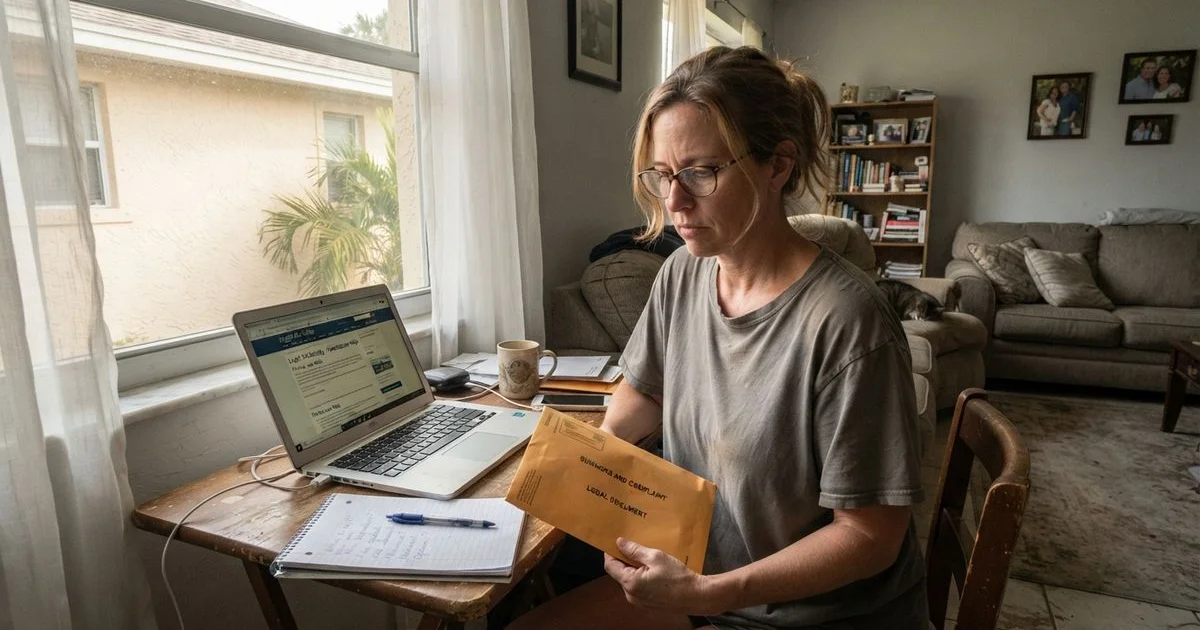
Opening the envelope and seeing “Summons” and your lender’s name at the top is the moment most Jacksonville homeowners describe as the worst part of the whole process. The good news: being served starts a clock, not a countdown to losing your home. What you do in the next few days matters more than almost anything else in the case.
The clock starts the day you’re served
Florida runs judicial foreclosure, which means your lender has to sue you in circuit court and win a judgment before a sale can happen. Once a process server hands you the summons and complaint (or posts it and mails a copy, depending on how service was completed), you have 20 calendar days to file a written answer with the clerk of court. That is not 20 business days. Weekends count. If the deadline falls on a weekend or holiday, it rolls to the next business day, but don’t plan around that cushion.
The complaint itself is worth reading closely, not just skimming. It lays out how much the lender claims you owe, references the note and mortgage, and often attaches a copy of both. Firms that handle foreclosure defense litigation in Jacksonville Metro start by pulling apart this paperwork: confirming the plaintiff actually holds the note, checking whether required notices went out before the suit was filed, and flagging math errors in the amount claimed.
What a timely answer actually does
Filing an answer within the 20-day window keeps the case active and preserves your right to raise defenses. Florida allows several affirmative defenses in foreclosure cases, including lack of standing (the suing party can’t prove it owns the loan), failure to provide required default notices, and errors in how payments were applied. These defenses have to be raised in your answer or they can be waived for good.
An answer doesn’t have to be long or perfect on day one. Courts expect attorneys to amend pleadings as discovery turns up more information. What it needs to do is exist, on time, so the case moves into a normal litigation track instead of a fast default.
What the timeline looks like from here
| Stage | Typical window | What’s happening |
|---|---|---|
| Answer filed | Within 20 days of service | Case moves off the default track |
| Discovery | 2-6 months | Both sides exchange documents, loan history, payment records |
| Loss mitigation (parallel) | Ongoing | Modification, forbearance, or short sale talks with the servicer |
| Summary judgment or trial | 6-18 months | Court rules on the merits if no settlement is reached |
| Final judgment to sale | 30-45 days | Sale date set and advertised if judgment is entered |
Contested cases with real defenses tend to run longer than uncontested ones, and a crowded court docket can stretch any stage. Treat this table as a general shape, not a promise. For a deeper look at how each stage adds up, see our guide on how long a Florida foreclosure takes.
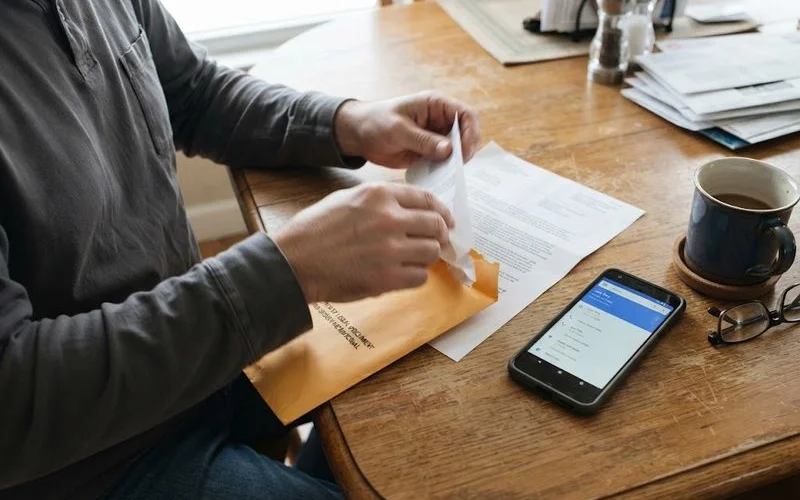
Talking to your lender doesn’t have to wait
A common mistake is assuming the lawsuit means negotiation is over. It usually isn’t. Servicers are required to review complete loss mitigation applications even after a suit is filed, and many Jacksonville-area attorneys run modification or short sale negotiations at the same time as the litigation. If a deal closes, the case can be dismissed or resolved on agreed terms rather than heading to trial.
Choosing who helps you through it
Because the 20-day deadline is unforgiving, speed matters when you’re picking legal help. Ask a prospective attorney how many contested foreclosure answers they’ve filed recently, not just how many foreclosure cases they’ve touched. Ask whether loss mitigation negotiation happens in-house or gets referred out, since a firm that only litigates may not push as hard for a modification. And ask directly what they think your realistic options are. An attorney who promises a guaranteed outcome on the first call is a red flag; foreclosure defense involves real uncertainty, and a straight answer about the odds is worth more than false confidence.
Our homepage lists Jacksonville Metro firms ranked by client sentiment and case history, and our scoring methodology explains exactly how those rankings are built if you want to see the criteria before you start calling firms.
This article is general information about the Florida foreclosure process, not legal advice for your specific situation. A licensed Florida attorney who has reviewed your loan documents and court file can tell you which defenses actually apply to your case.
FAQ
- How many days do I have to respond to a foreclosure summons in Florida?
- Florida law gives you 20 calendar days from the date you're served to file a written answer with the court. Miss it, and the lender can ask the court for a default judgment without a hearing on the merits.
- What happens if I do nothing after being served?
- The lender can move for a default judgment, which usually leads to a final judgment and a scheduled sale date without you ever presenting a defense. Doing nothing is the single worst option in a Florida foreclosure case.
- Can I still work something out with my lender after being served?
- Yes. Being sued doesn't close the door on a loan modification, forbearance, or short sale. Many cases run loss mitigation talks and the lawsuit on parallel tracks, and a signed deal can pause or end the case.
- Do I need to go to court myself?
- Once you hire an attorney, they typically handle hearings and filings on your behalf. You may still need to appear for a deposition or trial in a contested case, but routine motions rarely require you in the room.
Related on this site
- Browse foreclosure defense litigation providers
- What a foreclosure defense attorney costs in Jacksonville, and what changes the price
- How long does a Florida foreclosure take, and what affects the timeline
- Is Florida foreclosure mediation worth it? What to know before you apply
- Do you need a lawyer for foreclosure in Florida? DIY vs hiring a pro
- All guides →