Is Florida foreclosure mediation worth it? What to know before you apply
By Farah Nair · Updated 2026-08-23
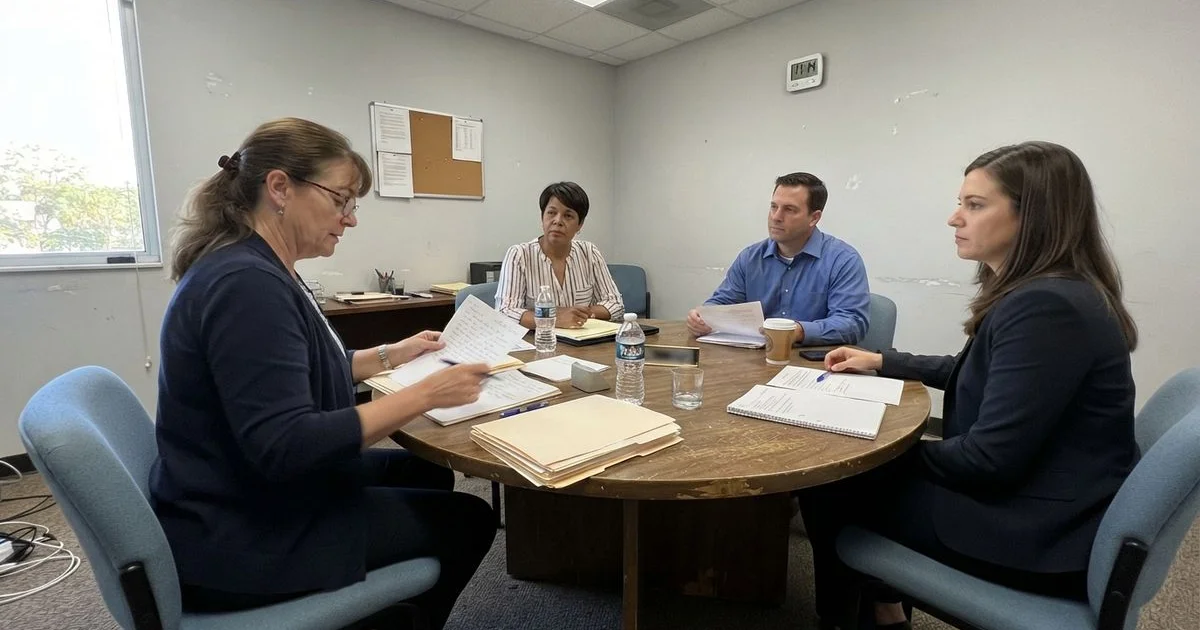
Mediation sounds like a lower-stakes, lower-cost step in a process that otherwise feels adversarial. That’s mostly true, but whether it actually leads anywhere depends heavily on how prepared you are walking in.
What a mediation session actually looks like
Foreclosure mediation brings you, your lender’s representative, and a neutral mediator together, usually by phone or video, to try to reach a resolution short of a courtroom fight. The mediator doesn’t decide the outcome, they facilitate the conversation. A typical session covers your financial situation, what options the servicer can offer (modification, forbearance, repayment plan), and whether both sides can agree to terms.
Programs and eligibility rules vary by county, and not every Florida circuit runs an active mediation program the same way. Your attorney or the clerk of court can confirm whether your case qualifies and what the local process looks like.
Why preparation decides whether it works
The single biggest factor in whether mediation leads anywhere is documentation. Servicers routinely claim they never received paperwork that was already submitted, and coming to a session with disorganized or incomplete financials gives the lender’s representative an easy reason to delay rather than negotiate.
| Bring this | Why it matters |
|---|---|
| Recent pay stubs and proof of income | Establishes what you can realistically afford going forward |
| Bank statements | Shows current financial picture, not just claimed hardship |
| Tax returns | Servicers typically require 1-2 years for a modification review |
| A written hardship letter | Explains what changed and why you fell behind |
| Copies of prior submissions | Protects you if the servicer claims something wasn’t received |
Coming in with this organized and ready to hand over on the spot puts real pressure on the servicer to engage seriously instead of using missing paperwork as a stalling tactic.

Who tends to benefit most
Mediation tends to work best for homeowners who have a realistic, documented path to affording a modified payment, meaning income that’s stabilized after a temporary setback rather than a situation where no payment plan would actually be affordable. If your finances genuinely can’t support even a reduced payment, mediation may still be worth attending to explore a short sale or deed-in-lieu discussion, but a loan modification outcome is less likely.
Where an attorney adds value
A representative from the lender’s side doesn’t always show up with full authority to approve a modification on the spot, and knowing how to push for someone who does, or how to document that the servicer negotiated in bad faith, takes experience most homeowners don’t have going in alone. Attorneys who regularly handle foreclosure defense litigation in Jacksonville Metro know which servicers tend to negotiate seriously in mediation and which ones use the session mainly to run out the clock.
What happens if mediation doesn’t resolve anything
A session that ends without an agreement isn’t the end of the road. Your case simply continues on its regular court track, and nothing you disclosed during mediation should be held against you later, since these sessions are generally treated as confidential settlement talks rather than evidence. For a sense of what typically comes next, see how long a Florida foreclosure case usually takes to reach a sale date. Some homeowners go through more than one mediation session as their financial situation changes, particularly if income improves or a servicer updates its available modification programs. If your first session stalls because the lender’s representative lacked authority to approve anything, that’s worth raising directly, since it can be grounds to request a second session with someone who actually has decision-making power.
Setting realistic expectations going in
Mediation works best when you treat it as one tool among several, not a single make-or-break event. Homeowners who go in expecting an automatic loan modification are often disappointed, while those who go in prepared to negotiate, with documentation ready and a clear sense of what payment they could actually sustain, tend to get more out of the session regardless of the final outcome.
Compare firms with mediation experience on our homepage, ranked using the criteria on our methodology page.
This is general information about Florida foreclosure mediation, not legal advice. Program rules and eligibility differ by court, so confirm the specifics for your case with an attorney or the clerk of court.
FAQ
- Who is eligible for foreclosure mediation in Florida?
- Eligibility rules vary by circuit court, and not every county runs an active mediation program. Your attorney or the clerk of court can confirm whether your case qualifies and how to request it.
- Does mediation guarantee I'll keep my home?
- No. Mediation is a structured negotiation, not a guaranteed outcome. It can lead to a loan modification, forbearance, or a repayment plan, but the lender isn't required to agree to any specific resolution.
- What should I bring to a mediation session?
- Complete financial documentation matters most: recent pay stubs, tax returns, bank statements, and a hardship letter. Servicers frequently request the same records they already claimed to have, so having everything organized in advance speeds things up.
- Is it worth having an attorney at mediation?
- Many homeowners attend with an attorney who understands the servicer's typical modification programs and can push back if the lender representative isn't negotiating in good faith or lacks authority to approve a deal.
Related on this site
- Browse foreclosure defense litigation providers
- Served with a foreclosure summons in Florida? What to do next
- What a foreclosure defense attorney costs in Jacksonville, and what changes the price
- How long does a Florida foreclosure take, and what affects the timeline
- How to protect yourself from a deficiency judgment after a Florida foreclosure
- All guides →