How long does a Florida foreclosure take, and what affects the timeline
By Farah Nair · Updated 2026-08-12
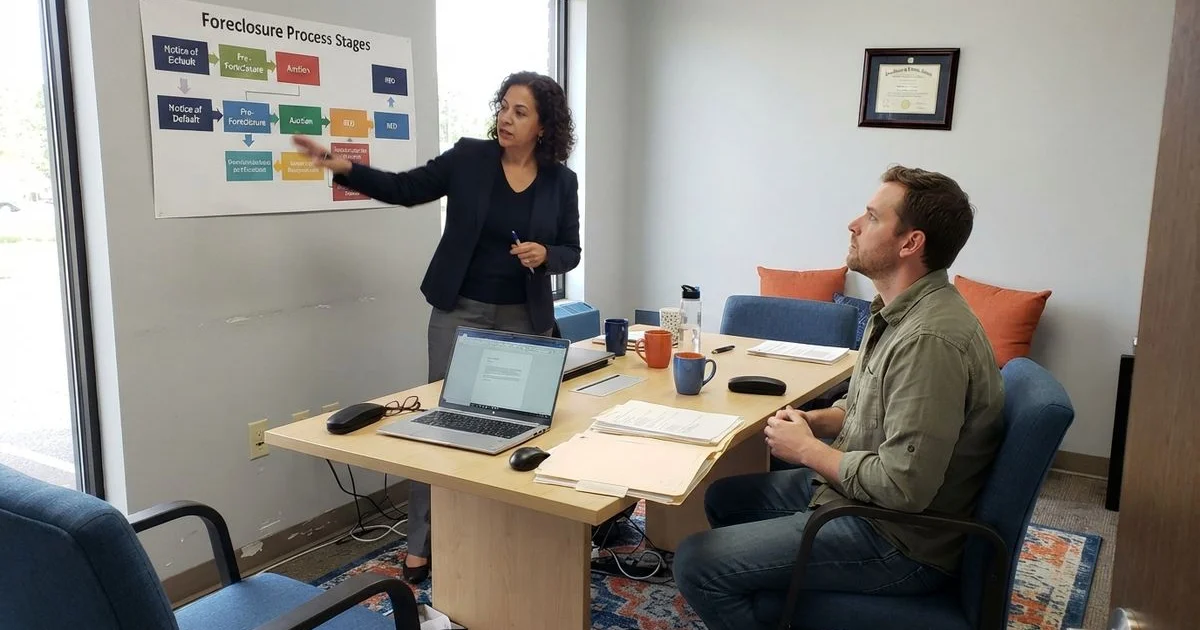
“How much time do I have” is usually the real question behind “how long does foreclosure take.” The honest answer is that it depends heavily on where your case currently sits and whether you contest it, but the general shape of a Florida judicial foreclosure is predictable enough to map out.
Why Florida’s timeline is different from other states
Florida requires lenders to sue in circuit court and win a judgment before a home can be sold at auction. That’s different from non-judicial states, where a lender can foreclose through a notice-and-sale process without going to court at all. The judicial requirement adds time, but it also gives homeowners more structured opportunities to respond, negotiate, and raise defenses along the way.
The stages, roughly
| Stage | Typical timeframe | What’s happening |
|---|---|---|
| Missed payments to notice of default | 1-3 months | Lender documents the delinquency and sends required notices |
| Notice of default to lawsuit filed | Weeks to a few months | Lender decides to proceed and files the complaint |
| Summons served to answer due | 20 days | Homeowner’s deadline to respond in writing |
| Litigation and discovery | 2-6 months (often longer if contested) | Evidence exchanged, defenses raised, loss mitigation may run in parallel |
| Summary judgment or trial | Variable, tied to court docket | Court rules on the merits if no settlement |
| Final judgment to sale date | 30-45 days | Sale is scheduled and advertised |
Add these up and an uncontested case might move in several months, while a contested case with real defenses, a crowded docket, or an appeal can stretch well past a year. Neither extreme is unusual.
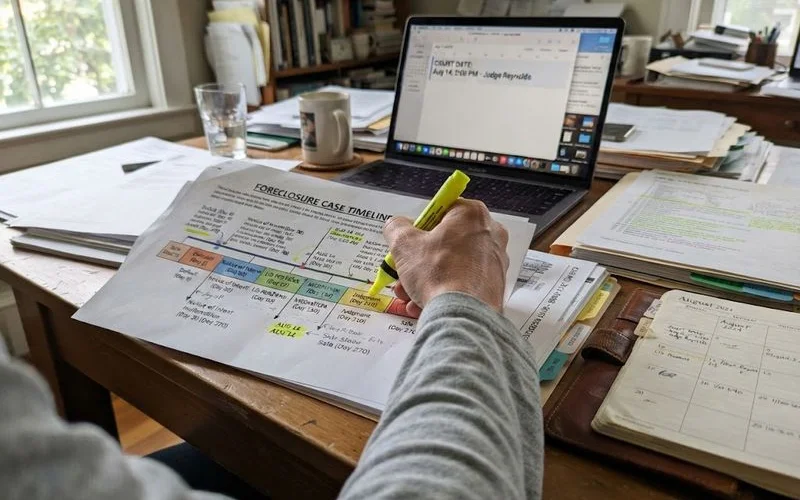
What speeds it up
A default judgment is the fastest path to a sale date, and it happens when a homeowner misses the 20-day answer deadline. Uncontested cases where the homeowner doesn’t raise defenses also move faster, since there’s no discovery fight or trial to schedule. Neither of these is a good kind of fast: speed here usually means fewer options, not a better outcome. Our guide on what to do after being served with a foreclosure summons walks through that 20-day window in detail.
What slows it down, and why that can help you
Filing a timely answer with real defenses (standing, notice problems, payment application errors) slows the case, because it forces the litigation process to run its full course. That extra time is often exactly what a homeowner needs: time to complete a loan modification application, arrange a short sale, save toward a lump-sum repayment, or simply plan the next move. Court backlogs and busy dockets in Duval, Clay, and surrounding counties can add further delay on their own, independent of anything either side does.
Parallel loss mitigation talks add time too, in a good way. If you’re actively working with your servicer on a modification or short sale while the litigation proceeds, both sides often agree to pause certain deadlines rather than force a ruling while a settlement is still on the table. That’s not automatic, though, and it usually takes an attorney or the servicer’s own policies to formalize the pause rather than assuming a pending application stops the clock on its own.
What the sale date itself means
Once a final judgment is entered, Florida law sets the sale between 20 and 35 days out, and the actual date gets published as part of the public record. Reaching this point doesn’t mean options have run out. Homeowners can still negotiate a last-minute resolution, request a postponement to complete a sale already in progress, or, in some cases, file for bankruptcy to trigger an automatic stay that halts the sale. The closer the case gets to a scheduled sale, the more urgent these conversations become, which is exactly why attorneys who track foreclosure timelines closely emphasize acting well before the judgment stage rather than after.
Getting a number that applies to you
General timelines are useful for planning, but your actual case depends on your specific stage, whether you’re contesting, and your local court’s calendar. An attorney handling foreclosure defense litigation in Jacksonville Metro can review your court docket and give you a realistic range instead of a generic one. If you want a rough starting estimate before that conversation, our foreclosure timeline tool factors in your current stage and whether you plan to contest the case.
Compare Jacksonville Metro attorneys on our homepage, ranked using the scoring approach detailed on our methodology page.
This is general information about Florida’s judicial foreclosure process, not legal advice. Court timelines vary by county and case, so confirm specifics with an attorney who has reviewed your docket.
FAQ
- How long does a foreclosure take in Florida from start to finish?
- It varies widely, but a case that runs through the full judicial process, from missed payment to sale, commonly takes anywhere from several months to well over a year. Contested cases with real defenses tend to run longer than uncontested ones.
- Does contesting the case make it take longer?
- Usually, yes, since raising defenses means more filings, hearings, and possibly a trial. But that extra time is also what creates room to negotiate a modification, arrange finances, or catch problems in the lender's paperwork.
- What's the fastest a foreclosure can move?
- If a homeowner doesn't respond to the summons within 20 days, the lender can move for default judgment relatively quickly, which is one of the fastest paths to a sale date and one of the worst outcomes for the homeowner.
- Can I estimate my own timeline?
- Roughly. Where you are in the process (before a lawsuit, after being served, after judgment) is the biggest factor. A more detailed, personalized estimate should come from an attorney who has reviewed your actual court docket.
Related on this site
- Browse foreclosure defense litigation providers
- Served with a foreclosure summons in Florida? What to do next
- What a foreclosure defense attorney costs in Jacksonville, and what changes the price
- Is Florida foreclosure mediation worth it? What to know before you apply
- Do you need a lawyer for foreclosure in Florida? DIY vs hiring a pro
- All guides →