Selling your house before foreclosure: a practical guide for Jacksonville homeowners
By Farah Nair · Updated 2026-08-21
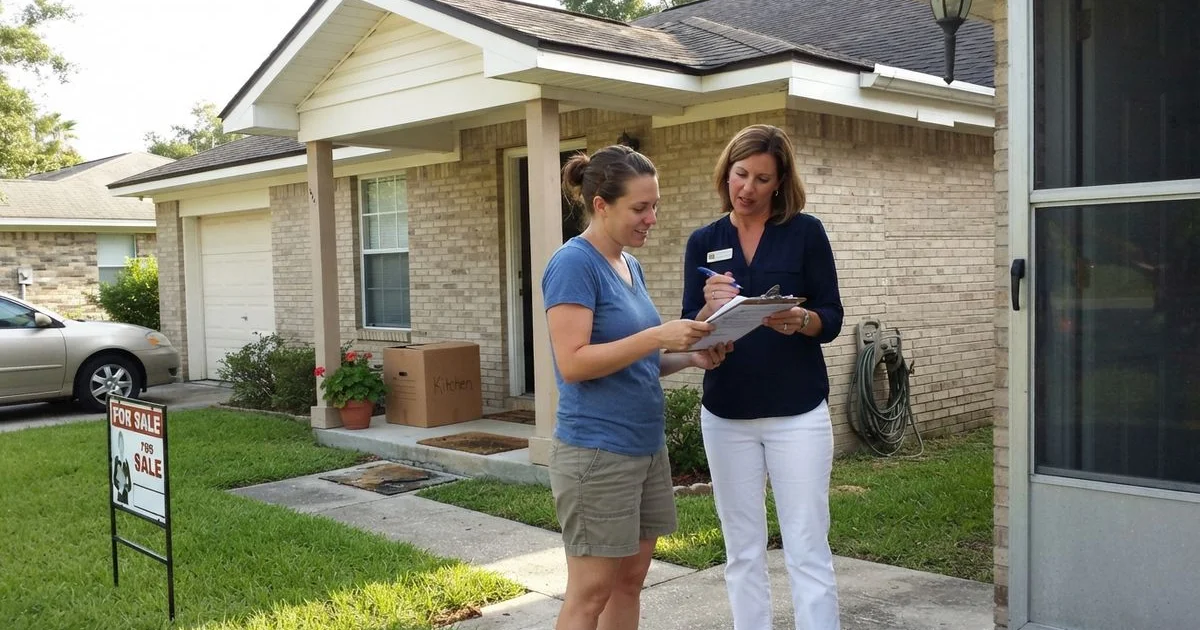
Selling isn’t giving up. For a lot of Jacksonville homeowners, it’s the option that actually protects the most money and the least stress, especially compared to riding a case through to a sheriff’s sale. The key is timing it against the court process and understanding what kind of sale you’re actually doing.
Regular sale vs short sale: know which one you’re in
If your home is worth more than you owe, a traditional sale can pay off the mortgage in full at closing, and the foreclosure case is typically dismissed once that happens. No special lender approval is needed beyond the normal payoff process.
If the home will sell for less than the loan balance, you’re in short sale territory, which requires your lender to approve the sale price and terms before closing. That approval process is the part that takes the most time and patience, since servicers routinely take weeks to review a short sale package and sometimes come back with counteroffers or requests for more documentation.
Racing the clock against your court date
If a foreclosure lawsuit is already active, your sale is now running against the court’s timeline, not just the real estate market’s. A cash buyer who can close in a few weeks gives you the most flexibility. A financed buyer typically needs 30 to 45 days or more to close, which can be tight if a sale date is already scheduled.
| Sale type | Typical time to close | Needs lender approval? |
|---|---|---|
| Traditional sale, cash buyer | 2-4 weeks | No, if it pays off the loan in full |
| Traditional sale, financed buyer | 30-45 days | No, if it pays off the loan in full |
| Short sale, cash buyer | 4-8 weeks (approval-dependent) | Yes |
| Short sale, financed buyer | 8-12 weeks or longer | Yes |
If your sale date is close and a short sale won’t realistically close in time, an attorney can often request the sale be postponed to allow the closing to happen, since lenders generally prefer a completed sale over taking the property back at auction.

What to line up before you list
Talk to your lender or your attorney about your case status before you sign a listing agreement, so you know exactly how much time you’re working with. Get a realistic price opinion, not just an optimistic one, since an overpriced listing wastes time you don’t have. And if a short sale looks likely, ask your attorney to negotiate a deficiency waiver into the settlement terms up front rather than after the fact, since that protection is much harder to get once the sale has already closed.
Attorneys who focus on short sale and deed-in-lieu negotiation in Jacksonville Metro deal with lender approval timelines regularly and can push back when a servicer is dragging its feet on a short sale package while your court date approaches.
Working with a real estate agent who understands foreclosure sales
Not every agent has experience with short sales tied to an active foreclosure case, and it shows. An agent unfamiliar with the process may set an unrealistic price, underestimate how long lender approval takes, or fail to flag a buyer’s contingencies that could stall closing right when timing matters most. Ask directly how many foreclosure-related sales an agent has closed, and whether they’ve worked short sale approvals with servicers before. Some attorneys who handle deed-in-lieu and short sale negotiation maintain relationships with agents who specialize in exactly this kind of timeline pressure.
If the sale falls through
Buyer financing can collapse, a short sale approval can arrive too late, or an inspection can surface a problem that scares off a buyer. If that happens close to your sale date, your options narrow quickly: request a postponement if one is available, pivot to a deed in lieu if the lender is willing, or bring in an attorney to explore whether a bankruptcy filing could pause the sale while you regroup. Having a backup plan in mind before you list, rather than scrambling after a deal collapses, puts you in a much stronger position if things don’t go as planned.
Compare local firms on our homepage, scored using the approach explained on our methodology page.
This is general information, not legal or real estate advice. Whether a sale can realistically close before your specific sale date depends on your court file and local market conditions, so confirm your timeline with an attorney.
FAQ
- Can I sell my house after being served with a foreclosure lawsuit?
- Yes. Being sued doesn't stop you from selling. Many homeowners sell while a foreclosure case is active, and a completed sale can resolve or dismiss the lawsuit if it satisfies the loan or the lender agrees to a short sale.
- Do I need my lender's permission to sell?
- If you have enough equity to pay off the loan in full at closing, you generally don't need special approval, it's a normal sale. If the home will sell for less than what's owed, that's a short sale and does require lender approval of the terms.
- How fast can a sale close before a scheduled foreclosure sale date?
- It depends on how much lead time you have and whether the buyer needs financing. A cash buyer can sometimes close in a few weeks, while a financed sale typically needs a month or more, so timing against your court date matters.
- What happens to the foreclosure case once the home sells?
- If the sale pays off the loan in full, the case is typically dismissed. If it's a short sale approved by the lender, the settlement terms usually specify how the remaining lawsuit is resolved.
Related on this site
- Browse short sale & deed-in-lieu negotiation providers
- How to protect yourself from a deficiency judgment after a Florida foreclosure
- Short sale vs deed in lieu: which costs you less in Florida
- Can Chapter 13 bankruptcy stop a foreclosure in Florida?
- Facing foreclosure after a job loss: your first 30 days in Florida
- All guides →