Can Chapter 13 bankruptcy stop a foreclosure in Florida?
By Farah Nair · Updated 2026-08-19
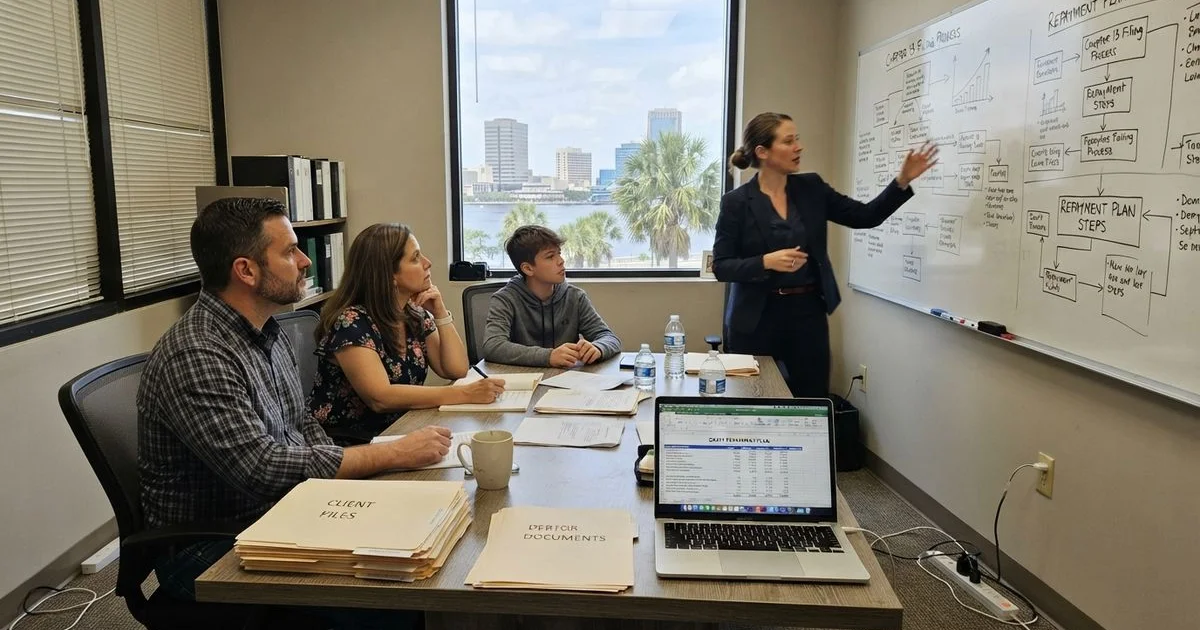
For homeowners who are behind on payments but want to keep the house, Chapter 13 bankruptcy is one of the more direct tools available in Florida. It doesn’t erase what’s owed, but it can stop a sale that’s already scheduled and turn missed payments into a manageable repayment plan.
The automatic stay is the immediate effect
The moment a Chapter 13 case is filed, an automatic stay goes into effect. This court order halts most collection actions, including a pending foreclosure sale, essentially freezing the case. If your sale date is close, this is often the fastest legal way to stop it, faster than most litigation strategies, since it takes effect automatically rather than requiring a hearing.
The stay isn’t permanent protection on its own. A lender can ask the court to lift it, particularly if you fall behind on the new repayment plan or the case gets dismissed. But for homeowners racing a sale date, it buys real time.
What the repayment plan actually requires
Chapter 13 isn’t a shortcut around the debt, it’s a structured way to pay it. You propose a repayment plan, typically running three to five years, that catches up the missed mortgage payments (the arrears) while you continue making your regular monthly payment going forward. The court has to approve the plan, and you need steady income to support it, since missed plan payments put your case, and your home, at risk again.
| Consideration | Chapter 13 bankruptcy | Foreclosure defense litigation |
|---|---|---|
| What it does | Stops the sale immediately, restructures missed payments into a repayment plan | Challenges the lender’s right to foreclose or the accuracy of its case |
| Underlying debt | Not disputed, repaid over time | May be reduced or the case dismissed if defenses succeed |
| Speed to stop a sale | Immediate, via the automatic stay | Depends on motions and hearing schedules |
| Ongoing obligation | Requires steady income for 3-5 years of plan payments | No repayment plan, but litigation can take as long or longer |
| Other debts | Can also address credit cards, medical debt, and other unsecured debt in the same case | Focused on the mortgage only |
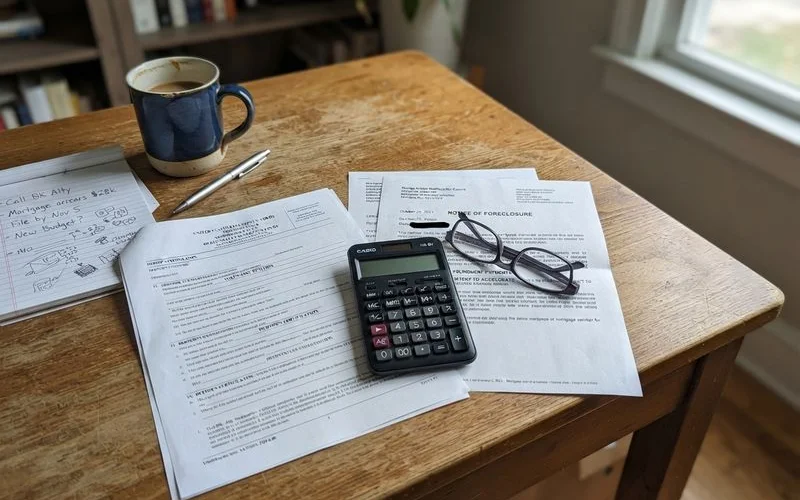
When bankruptcy makes more sense than fighting in court
Chapter 13 tends to fit best when you have steady income, want to keep the home, and the amount you’re behind is realistic to repay over a few years. It also helps if you’re carrying other debt, like credit cards or medical bills, since Chapter 13 addresses those in the same case. Foreclosure defense litigation makes more sense when you have real doubts about whether the lender can prove its right to foreclose, or when the loan’s payment history has documented errors worth challenging.
The two aren’t always mutually exclusive. Some homeowners consult a bankruptcy attorney and a foreclosure defense attorney together to weigh which path, or combination, fits their specific numbers. If you want a rough sense of what a Chapter 13 filing might protect based on your arrears and home equity, our bankruptcy savings estimator gives a starting range before that conversation. If keeping the home isn’t the priority, our guide to selling your house before foreclosure walks through that alternative path.
What can go wrong with a Chapter 13 plan
A Chapter 13 case isn’t a guaranteed save. If income drops again during the three to five year plan and payments lapse, the lender can ask the court to lift the automatic stay and resume the foreclosure, sometimes with less delay the second time around since the court has already seen the case struggle once. The plan itself also has to be realistic from the start. A court won’t approve a repayment schedule that clearly outpaces what your documented income can support, which is why an honest budget matters more than an optimistic one when the plan is being drafted.
Timing the filing against your foreclosure case
When you file matters. Filing before a sale date is scheduled gives you the most breathing room to negotiate plan terms without a hard deadline pressing on the process. Filing at the last minute, right before a scheduled sale, still works to trigger the automatic stay, but it leaves less time to prepare a plan that will actually hold up to court scrutiny. If your case is already well into litigation, coordinate the timing with whichever attorney is running that side of things so the bankruptcy filing and the foreclosure case don’t work against each other.
Compare attorneys who handle foreclosure-adjacent bankruptcy work on our homepage, ranked using the approach explained on our methodology page.
This is general information about Chapter 13 bankruptcy, not legal or financial advice. Bankruptcy outcomes depend on your income, debts, and the court’s approval of your specific plan, so talk to a licensed bankruptcy attorney before filing.
FAQ
- Does filing Chapter 13 stop a foreclosure in Florida?
- Yes. The automatic stay that takes effect the moment you file halts the foreclosure case and any scheduled sale. Your Chapter 13 repayment plan then gives you a structured way to catch up on missed payments over time.
- What is the automatic stay, and how long does it last?
- It's a court order that goes into effect immediately upon filing, stopping most collection and foreclosure activity. It generally remains in place for the life of the bankruptcy case unless a lender successfully petitions the court to lift it.
- Can I actually keep my house through Chapter 13?
- That's the goal for most filers. The repayment plan lets you catch up on missed mortgage payments over three to five years instead of losing the home to a foreclosure sale.
- How is Chapter 13 different from fighting the foreclosure in court?
- Foreclosure defense challenges the lender's right to foreclose or the accuracy of its paperwork. Chapter 13 doesn't dispute the debt, it restructures how you repay it, while the automatic stay buys time and stops the sale.